

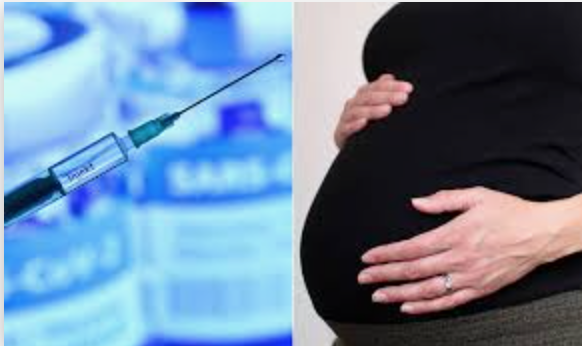
The Government has produced guidance for employers to make workplaces COVID-secure and so employers should keep checking the government website for the latest information.
Risks to pregnant women
Pregnant women have extra statutory protection to ensure they are protected from risks at work. Employers have a duty to protect all employees and an even higher duty towards any staff who are pregnant. Employers of pregnant women should be extra cautious and try to avoid pregnant employees having non-essential contact with others. Whilst social distancing remains in place or in the event of a local outbreak or high Tier restriction it is safer for employers to continue to offer working from home if this is feasible.
Where it is not possible to offer home working, if necessary pregnant employees can be offered suitable alternative employment on a temporary basis (that could be done from home) or suspended from work on medical grounds (on full pay). Other potential adjustments include temporarily altering the employee’s working conditions or hours of work. If the pregnant employee remains suspended until the fourth week before the expected week of childbirth or are absent from work for a pregnancy-related reason, this triggers the commencement of her maternity leave.
Easing of lockdown
When lockdowns ease the Government has given employers more discretion and asked them to decide how their staff can work safely, which can mean making workplaces safe or that employees should work from home if they can. Pregnant employees should still socially distance and take particular care to minimise contact with others outside their household. So home working for pregnant women who wish to do this is one way of working safely which has worked for many employers and employees.
Employers have ongoing duties under health and safety legislation and should undertake risk assessments, including the extent to which it is possible to follow social distancing, minimising the use of public transport and staying 2m away from others wherever possible (and 1m if 2m is not possible).
As restrictions lift, pregnant women and anyone with underlying health conditions must still minimise contact with others, for example, by providing pregnant women with their own office or providing personal protective equipment. If employers cannot offer safe work, then working from home or agreed suitable alternative work may be the best options.
Vaccines
In December 2020 the UK started to distribute the Pfizer/BioNTech coronavirus vaccine, with the first priority given to the most vulnerable.
Eventually employers will have increasing numbers of staff being vaccinated. For pregnant staff there are two main possibilities:
- An employee who has previously been vaccinated then becomes pregnant.
- An employee who has not yet been vaccinated is pregnant.
- Employers must take all precautions to protect pregnant staff from COVID-19 in particular if they have underlying health conditions.
- Extra care must be taken to protect pregnant women who are older or previously overweight or with pre-existing conditions, such as diabetes, chronic high blood pressure as they are more likely to suffer severe health complications due to COVID-19.
- Employers should not encourage pregnant staff to have the vaccine. The government advice is that until more information is available, pregnant women should not be vaccinated but can be vaccinated after the pregnancy is over, although there should be some caution whilst breastfeeding too (see below).
Employees who are breastfeeding or trying to conceive
Precautionary government advice until additional evidence is available is to avoid the vaccine immediately before pregnancy and during breastfeeding too.
Employers should support women who think they may be pregnant or who are planning a pregnancy in the next three months as they are advised to delay vaccination.
Employees who are breastfeeding are likely to be on maternity leave already, but the current government advice says they should not have the vaccine yet. They should wait until breastfeeding is finished and then have it. Those who had the first dose when breastfeeding are also advised to wait until they have finished breastfeeding before the second dose.
Those employees who are not pregnant can start the two-dose vaccination course once they are offered it, but should avoid getting pregnant until at least two months after the second dose. If an employee become pregnant after having had the first dose they should delay the second dose until after the pregnancy is over.
It may be possible to have the Pfizer-BioNTech vaccine later or one of the other COVID-19 vaccines that are being developed. Employers should keep checking current government guidance.
Health and safety
If a pregnant employee’s colleague or someone else in the workplace has coronavirus symptoms or has been in contact with others with COVID-19 that person may consider themselves in serious and imminent risk of danger to health and safety. In such situations there is special protection against dismissal and detrimental treatment if the pregnant women wants to leave work to protect themself.
This protection is under Section 44 of the Employment Rights Act 1996 and requires a reasonable belief that there was a serious and imminent risk based on the situations at the time and the steps taken and advice given about the risks.
Clinically vulnerable and extremely vulnerable
The shielding programme is paused from 1 August onwards; generally pregnant women did not need to practise shielding anyway. However, they should still follow advice on social distancing which remains in place until December. Most pregnant women fall into the ‘clinically vulnerable people’ who were advised to take particular care but did not need to be shielded.
Only some pregnant employees were classed as clinically extremely vulnerable to coronavirus, including women with significant heart disease who are pregnant. These women would fall in the shielding category until 1 August. During the operation of the furlough scheme until the end of March these employees could still be furloughed if they cannot work from home.
Being on furlough does not impact eligibility for or the amount of statutory maternity, adoption, paternity, or shared parental pay. Pregnant women who are not furloughed and were shielding could get Statutory Sick Pay (SSP) until shielding is paused.
Maternity leave
Employees who are pregnant during the crisis can start maternity leave as usual. If the workers planning to take some form of statutory parental leave were furloughed their statutory payments are based on their usual earnings not the furlough pay.
Leave and pay
For staff already on maternity, paternity or adoption leave or shared parental pay normal rules for statutory pay apply. For example, eligible mothers will be entitled to claim up to 39 weeks of statutory maternity pay or maternity allowance. The rate is 90% of average weekly earnings for the first six weeks, followed by 33 weeks of pay at 90% of average weekly earnings or the statutory flat rate (whichever is lower). The statutory flat rate rose to £151.20 a week from April this year.
Enhanced contractual maternity, paternity, adoption and shared parental pay are included within the wage costs that employers can potentially claim back through the Coronavirus Job Retention Scheme until this scheme ends at the end of March. Any further claims during this final phase of the flexible furlough scheme depend upon when the employee was furloughed, when their leave occurs and whether they are on statutory or contractual maternity etc schemes. See CIPD FAQs on the extended furlough scheme for more detail on aspects of maternity leave and furlough.
CIPD 2020


